
As the chill of winter recedes and the warmth of spring takes its place, nature begins its annual transformation, marked by the blooming of flowers and the bustling of wildlife returning to its seasonal routines. Among the myriad of botanical wonders that grace gardens and wild landscapes alike, the Manzanita stands out for its unique lifecycle, transitioning from enchanting flowers in spring to sugar-filled berries in summer. This blog post delves into the captivating world of Manzanita, a plant that not only adds aesthetic value to our surroundings but also plays a crucial role in the ecosystem, especially appealing to hummingbirds and bees.
Spring Blooms to Summer Fruits
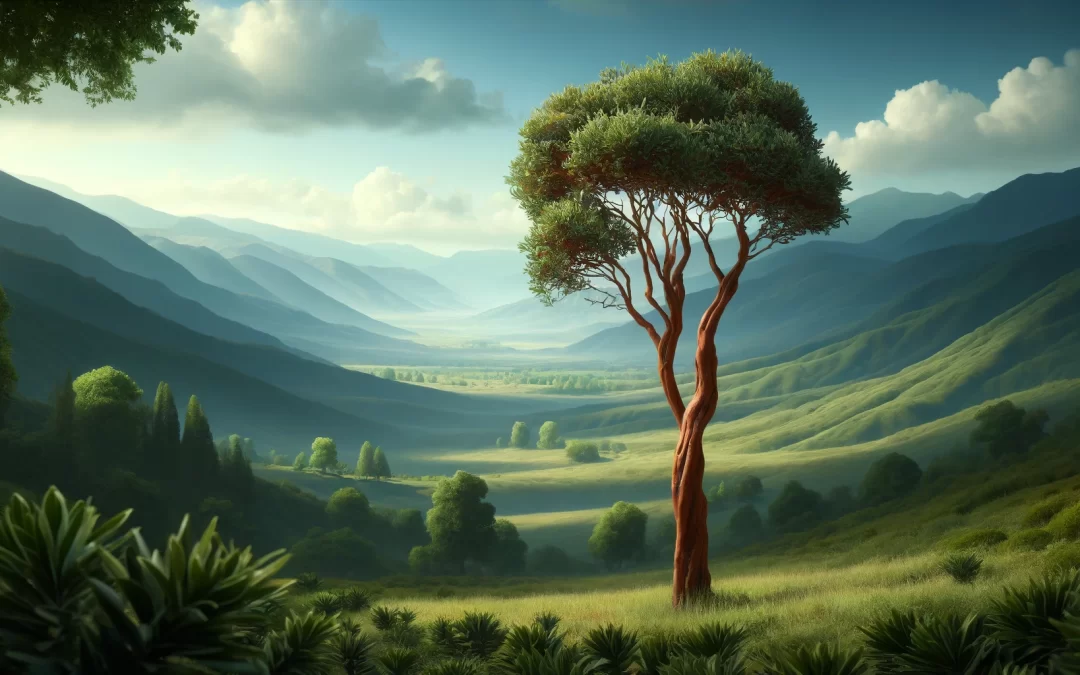
The Manzanita, with its striking red bark and twisting branches, is a spectacle to behold throughout the year. However, it is during the spring that this plant truly comes into its own. As the days lengthen, clusters of pink or white urn-shaped flowers begin to adorn its branches, signaling the arrival of spring with their delicate beauty. These blooms are not just a visual treat; they are a vital source of nectar for many pollinators, including bees and hummingbirds. The relationship between these flowers and their pollinators is a perfect example of nature’s intricate interdependencies.
As spring transitions into summer, the magic of the Manzanita continues. The flowers give way to small, apple-like berries that gradually ripen to a deep red. These berries are not just visually appealing; they are filled with sugar, making them an irresistible treat for various wildlife. The high sugar content of the Manzanita berries serves as a critical energy source for birds, especially hummingbirds, who expend a tremendous amount of energy in flight and rely on high-sugar nectar for sustenance.
A Magnet for Wildlife
The Manzanita’s appeal lies not only in its beauty and the sweetness of its berries but also in its role as a magnet for wildlife. The plant’s nectar-rich flowers attract a plethora of pollinators, including bees, which are essential for the pollination of many other plants. In turn, the berries provide a vital food source for birds throughout the summer months. Observing the interactions between the Manzanita and its visitors can be a rewarding experience for any nature enthusiast or gardener.
Cultivating Manzanita
For those interested in adding Manzanita to their garden, it’s worth noting that this plant is not only beautiful and beneficial for wildlife but also drought-resistant, making it an excellent choice for water-wise landscaping. Manzanitas prefer well-drained soil and thrive in full sun to partial shade. With minimal care, they can become a stunning focal point in the garden, attracting a host of pollinators and birds, and offering a year-round display of natural beauty.
Conclusion
The Manzanita is a remarkable plant that bridges the seasons with its vibrant flowers and sweet berries. Its ability to attract and nourish wildlife, particularly hummingbirds and bees, underscores the importance of planting with an eye towards supporting our local ecosystems. Whether you’re a seasoned gardener or simply someone who appreciates the beauty and complexity of nature, the Manzanita offers a compelling example of how plants can connect us more deeply to the world around us. As we strive to create gardens that are not only beautiful but also beneficial to the environment, the Manzanita stands out as a beacon of ecological harmony and aesthetic delight.